
When I was undergoing treatment and thinking about life after cancer, I pictured celebrations, newfound gratitude, and a fresh start. But the reality? It’s rarely champagne and rainbows. For many of us, the hardest part of the cancer journey begins when treatment ends. Suddenly, the appointments stop, the medical team is no longer checking on you daily. Friends and family think you are back to normal (even if you don’t feel so). Now you’re left wondering, What happens now?
I’ll be honest—this was one of the most challenging phases of my life. While I was relieved to be finished with treatment, I was unprepared for what came next.
The Post-Treatment Struggle: More Than Physical Healing
Cancer leaves marks—some visible, others hidden. After treatment, I struggled with things that may seem small to the outside world but were monumental to me.
1. My Looks
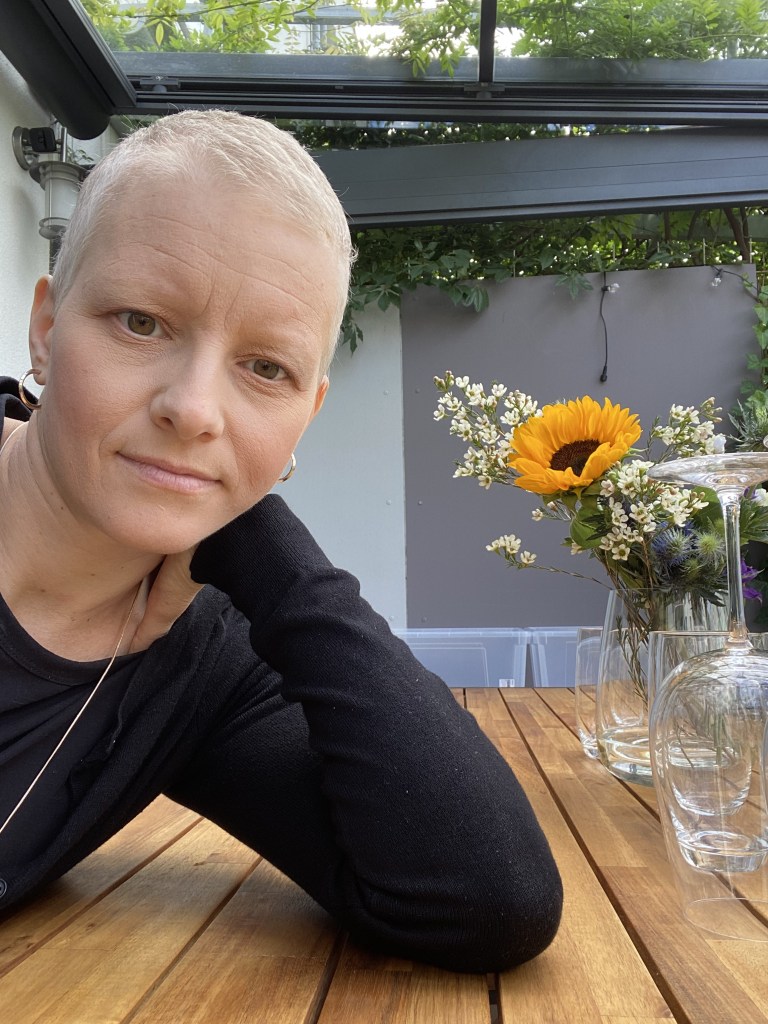
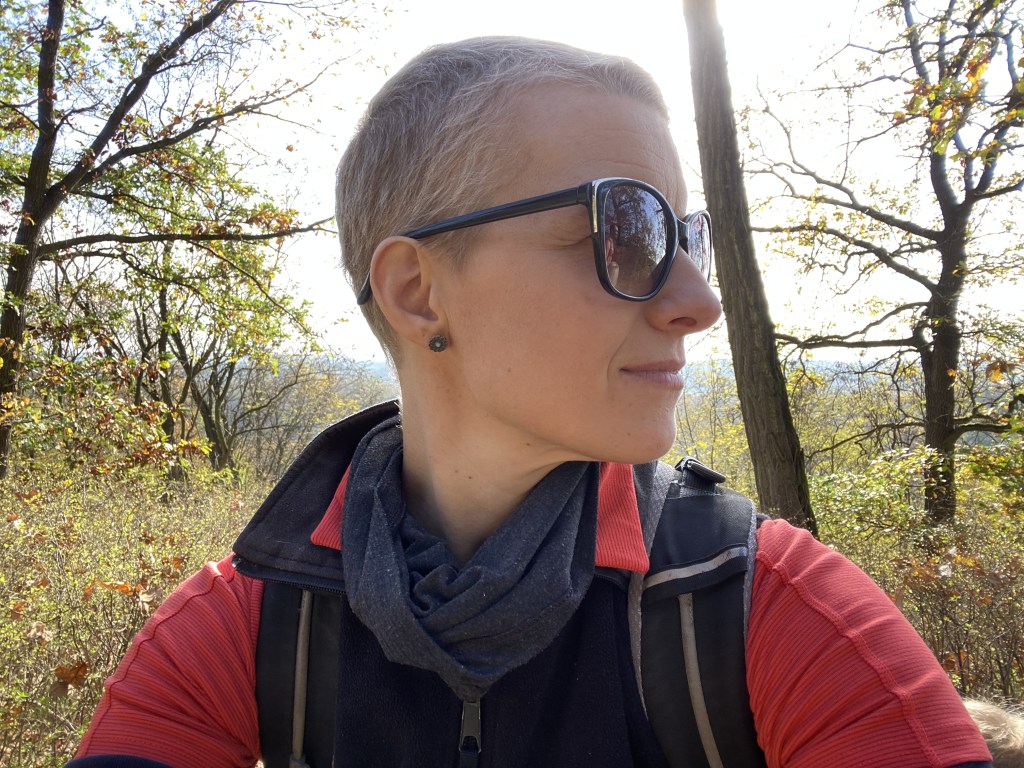
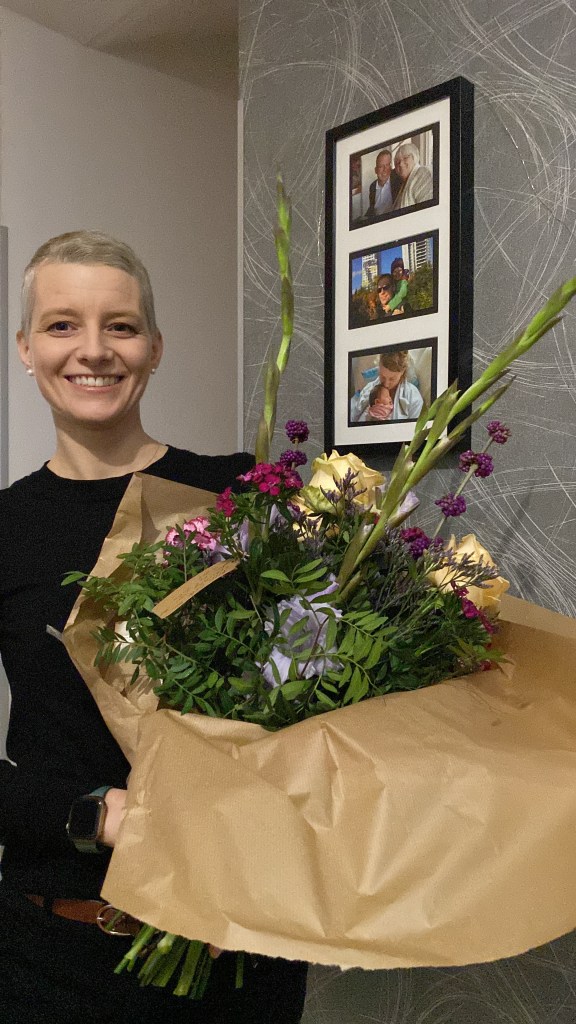
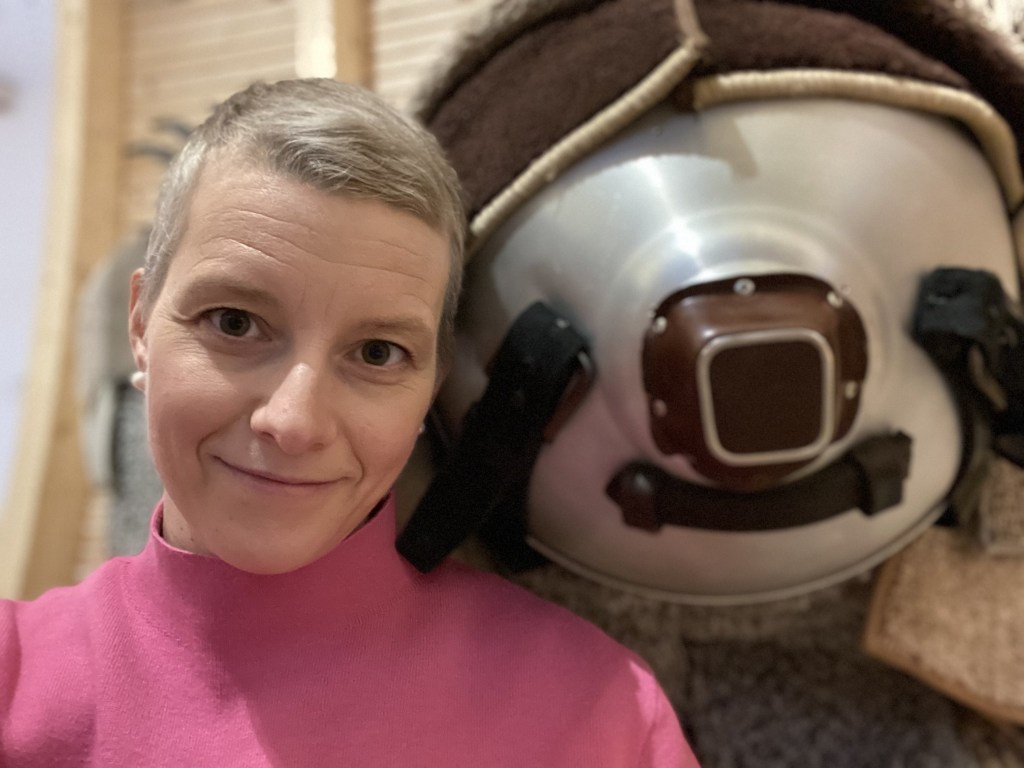
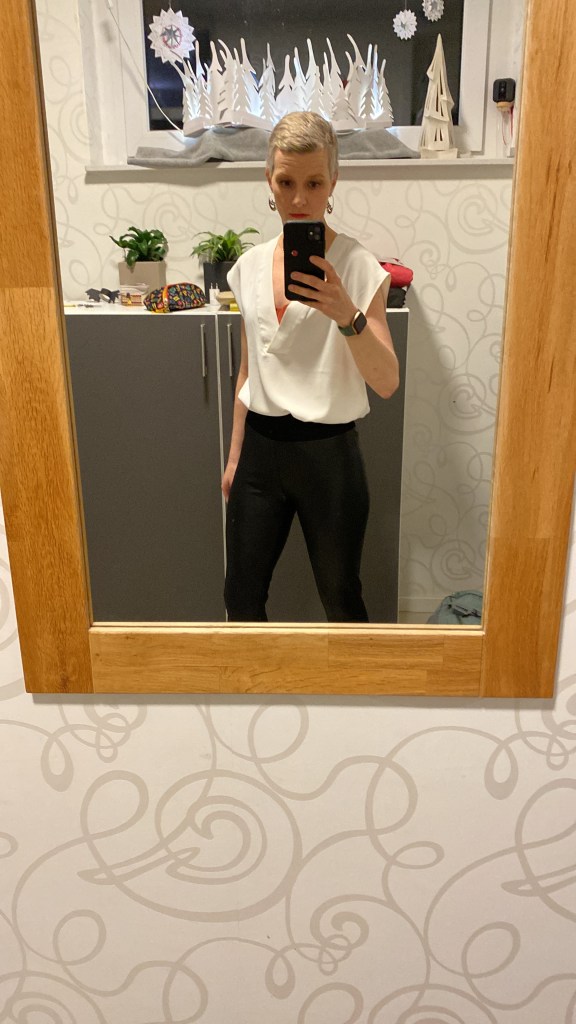
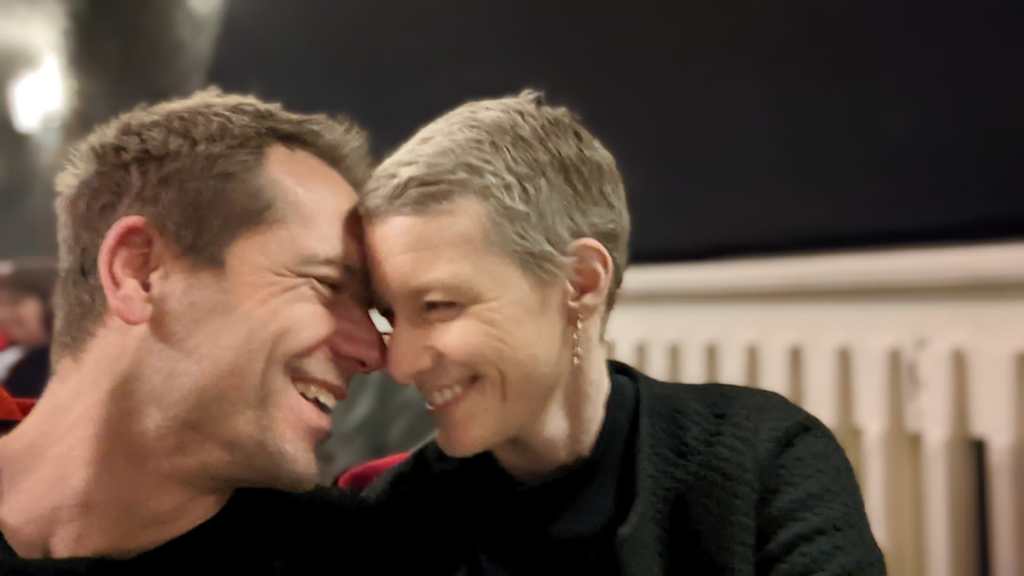
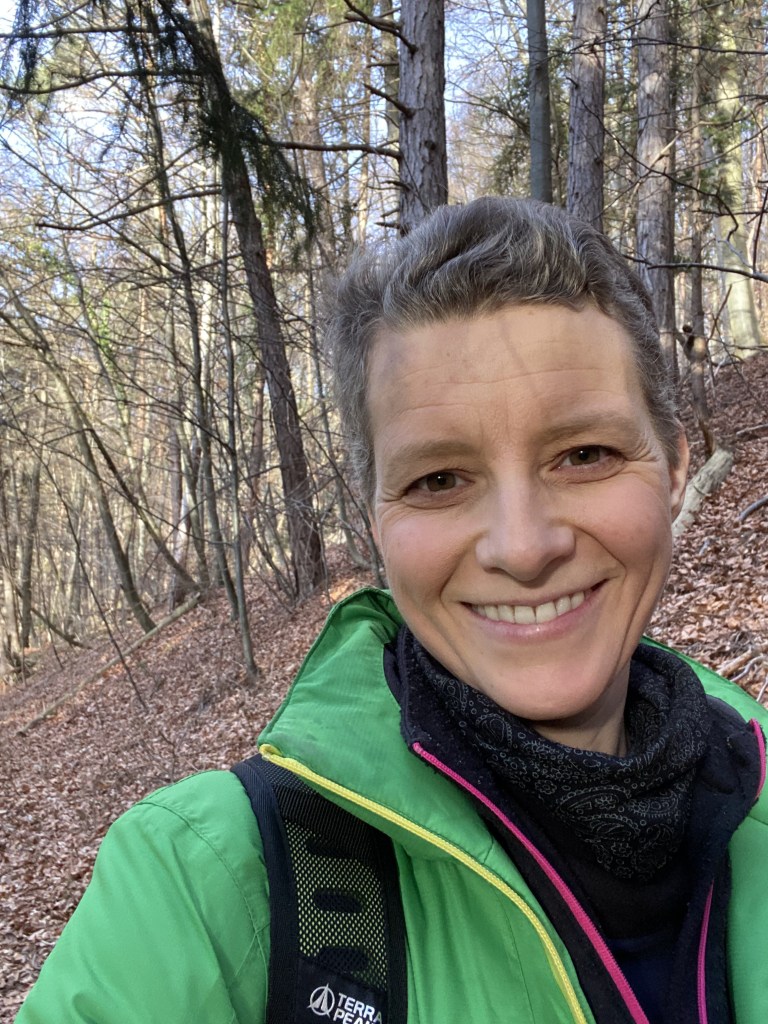
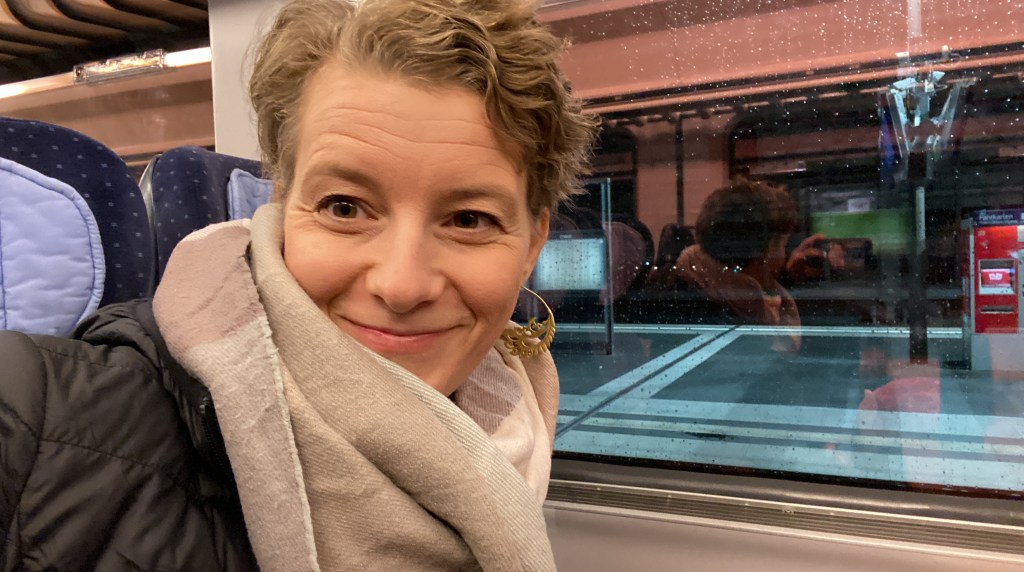
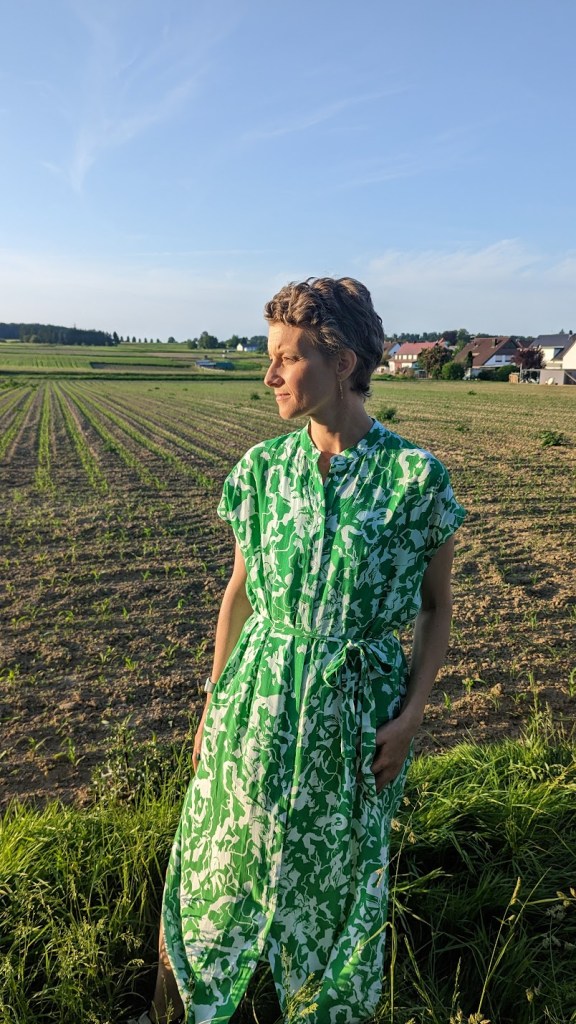
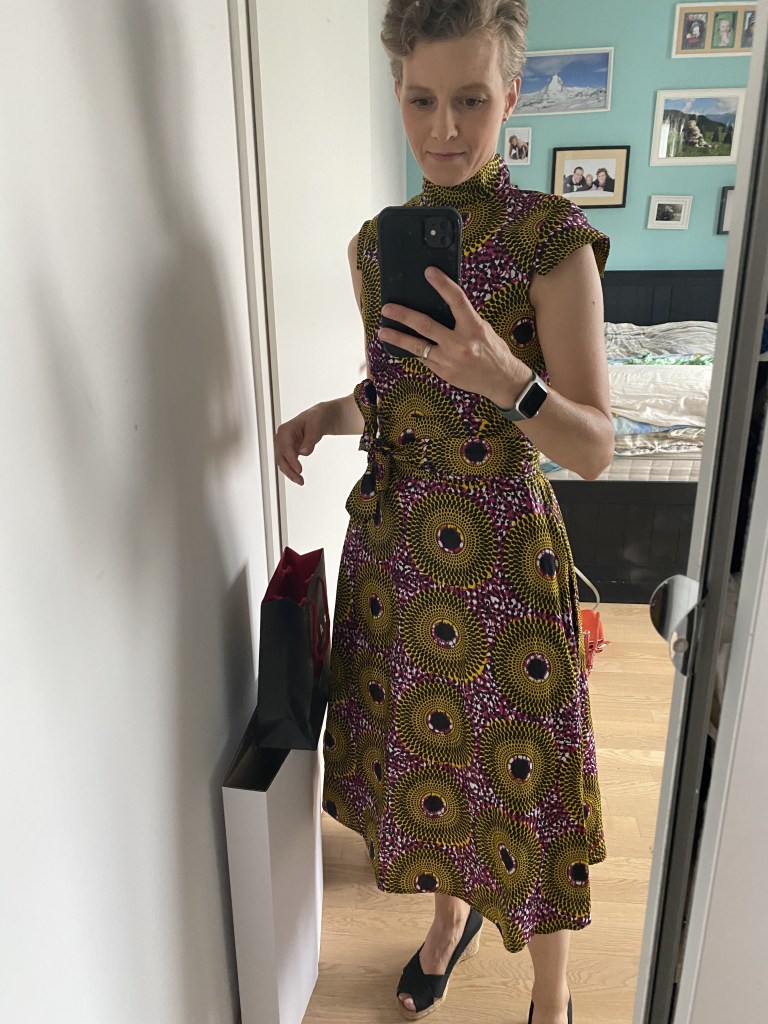
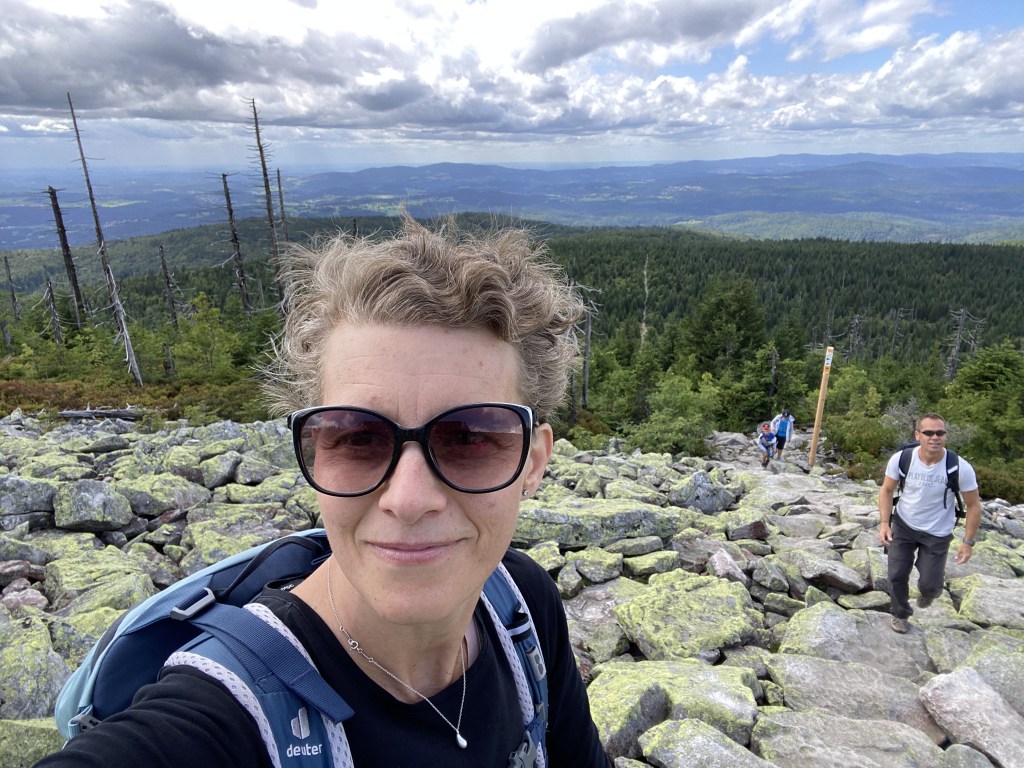
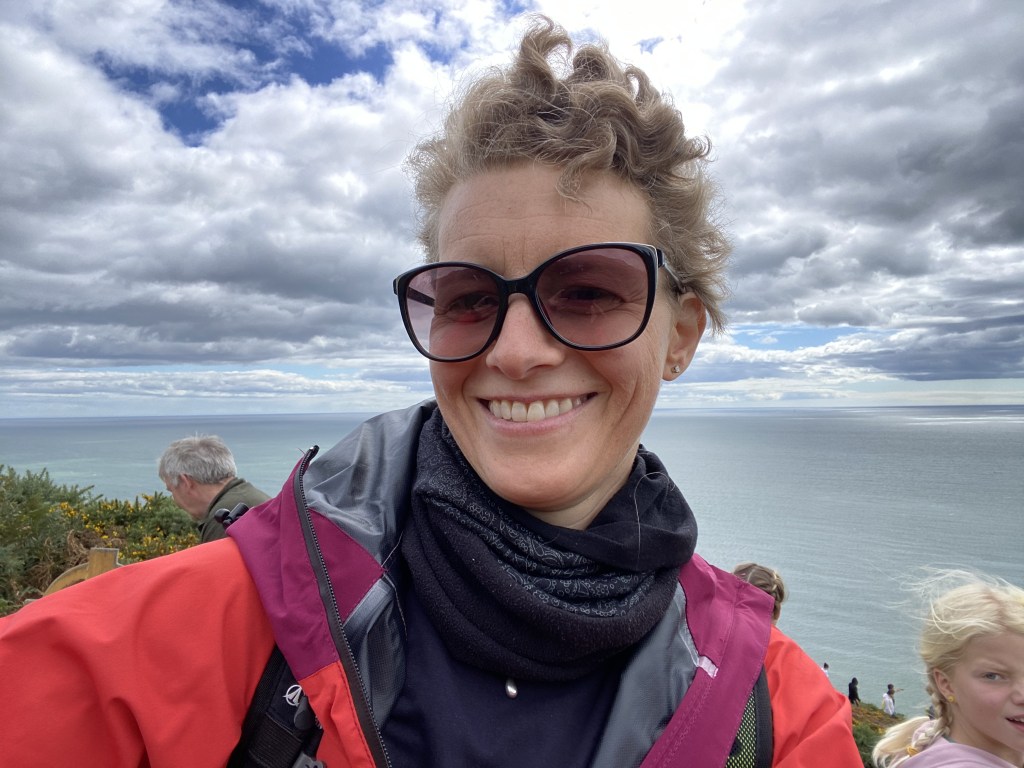
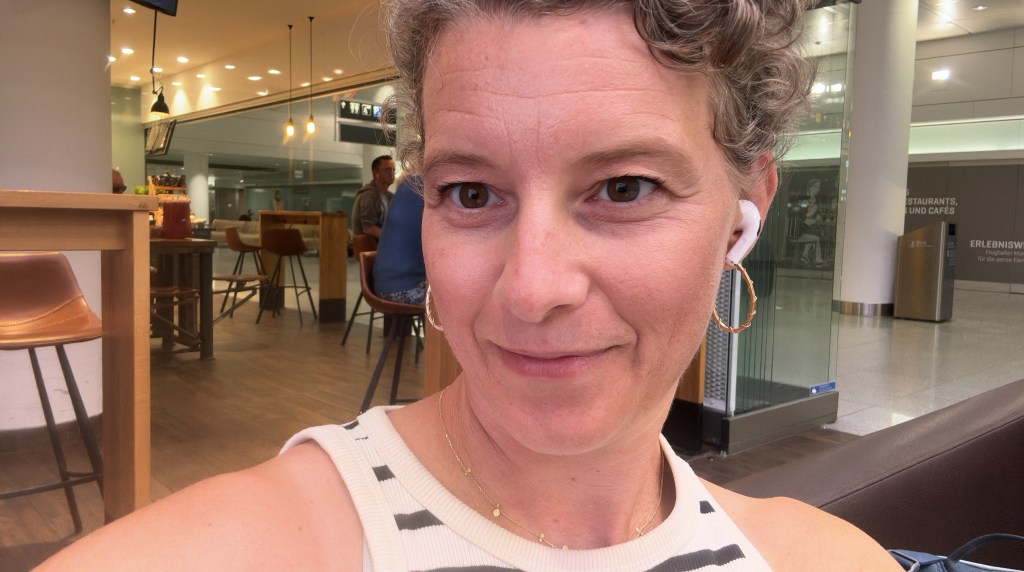
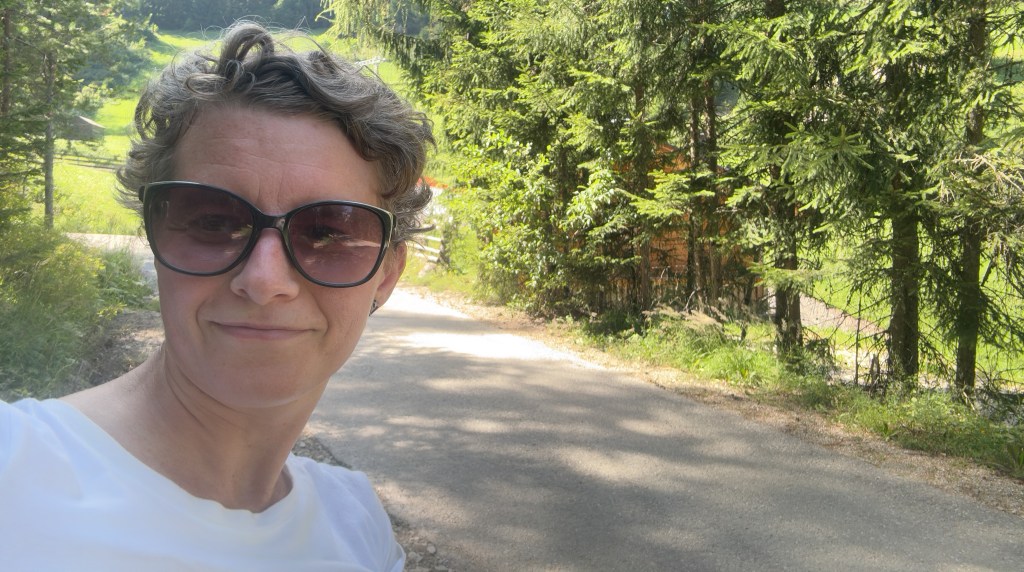
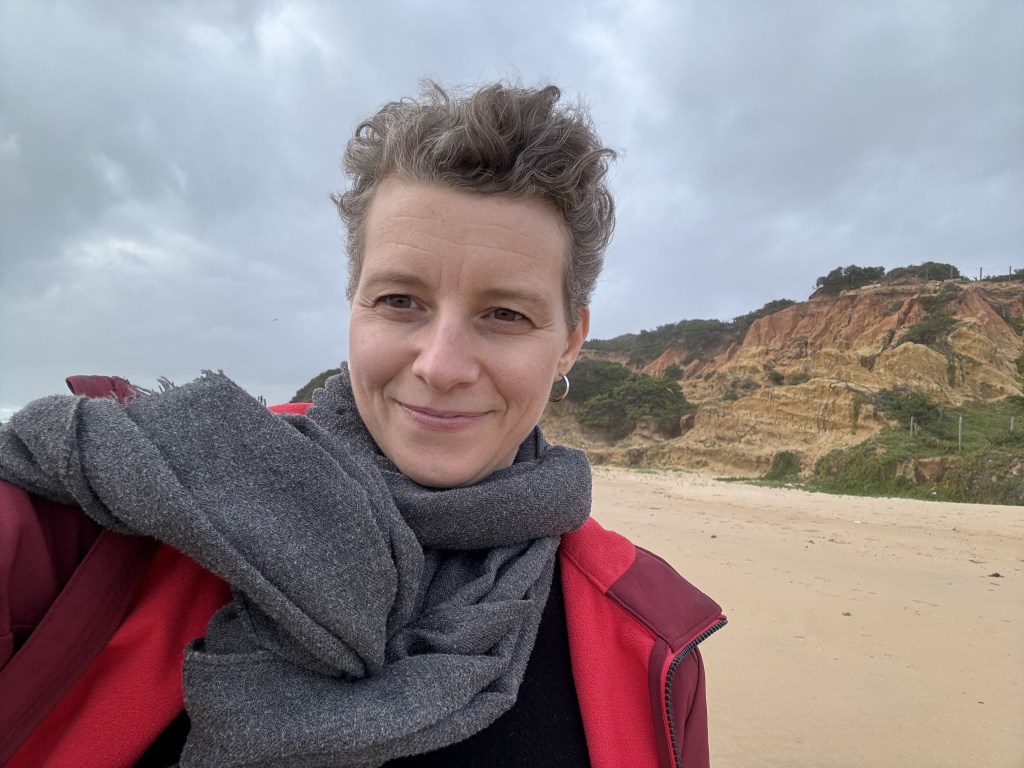
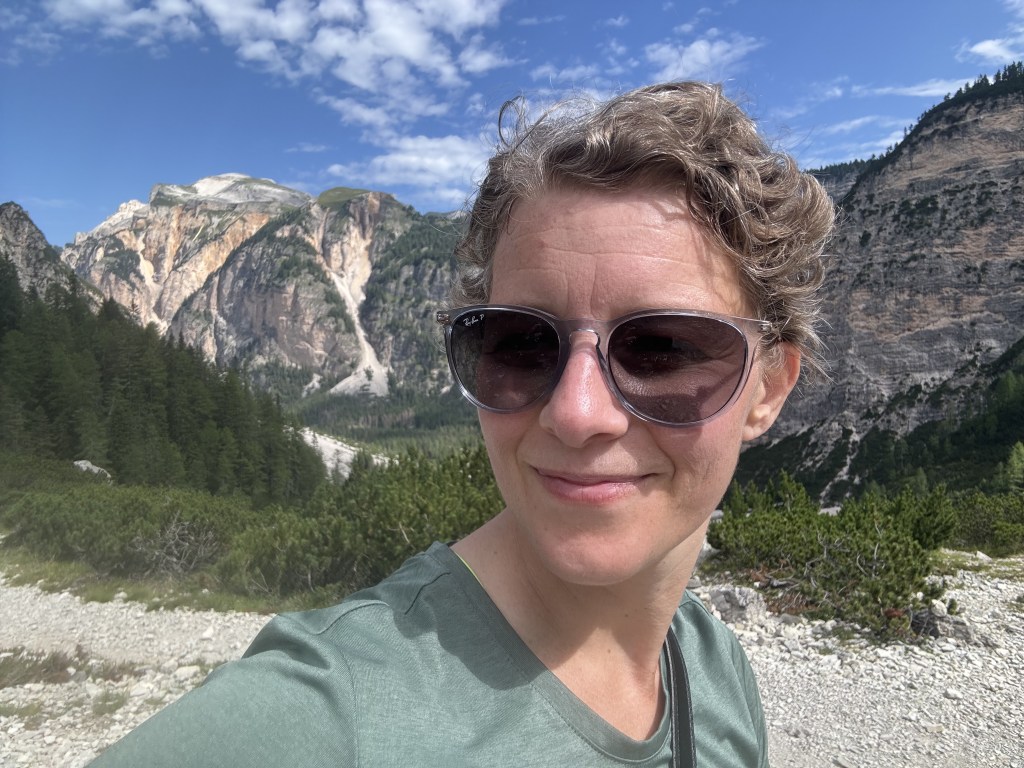
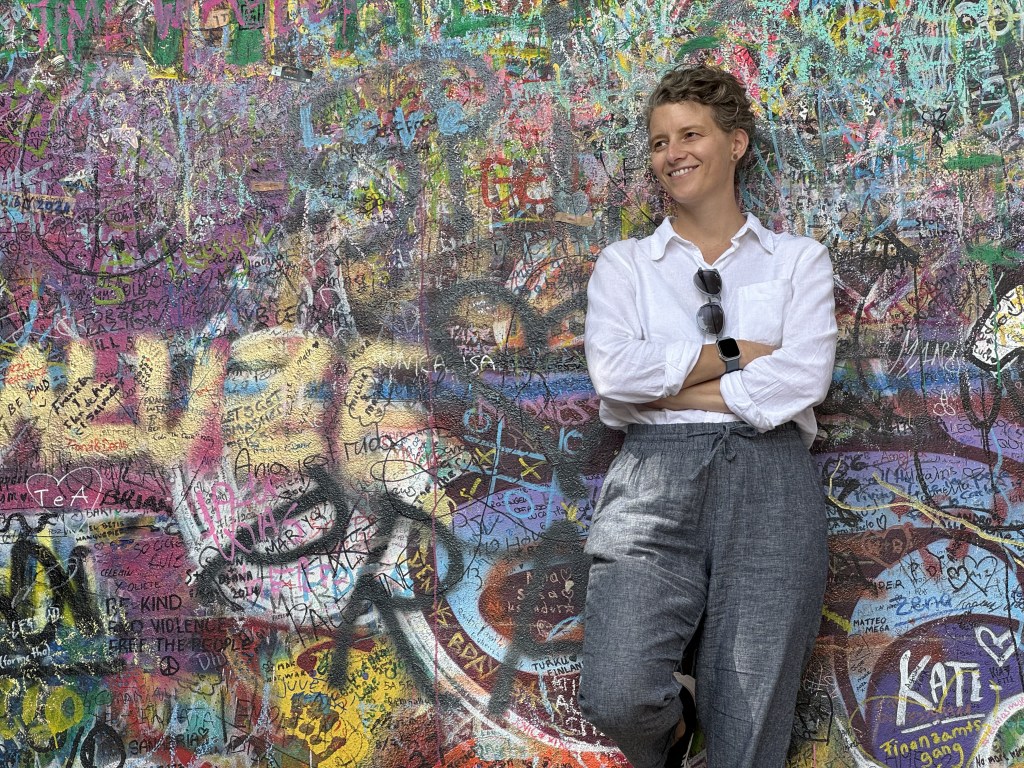
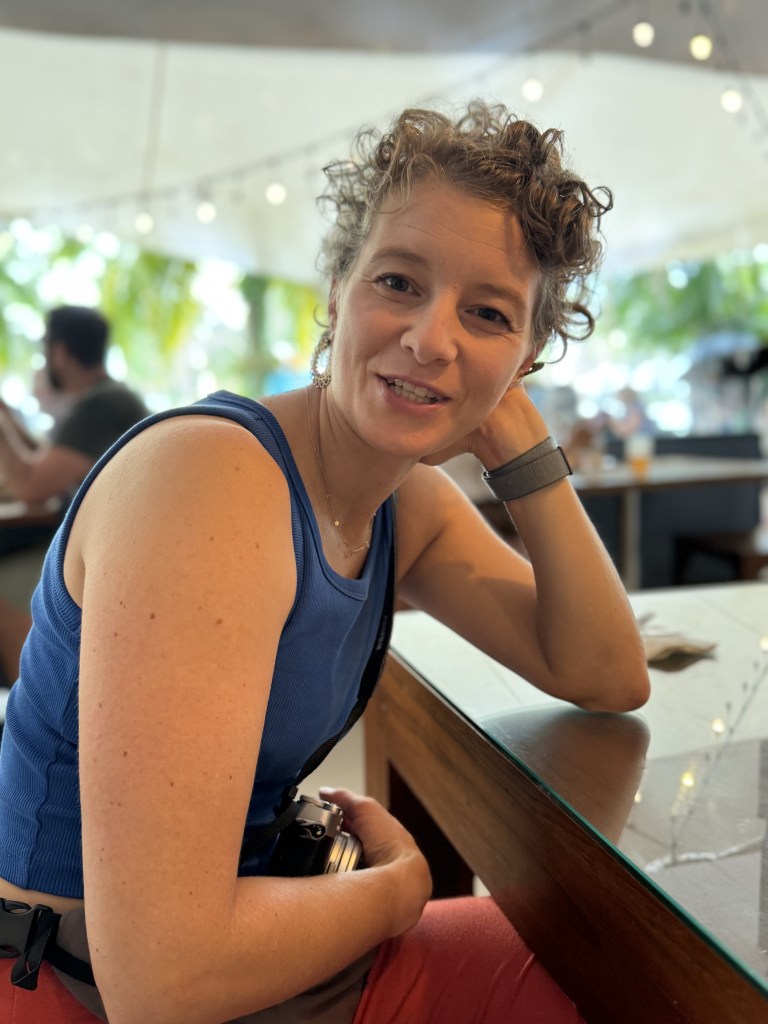
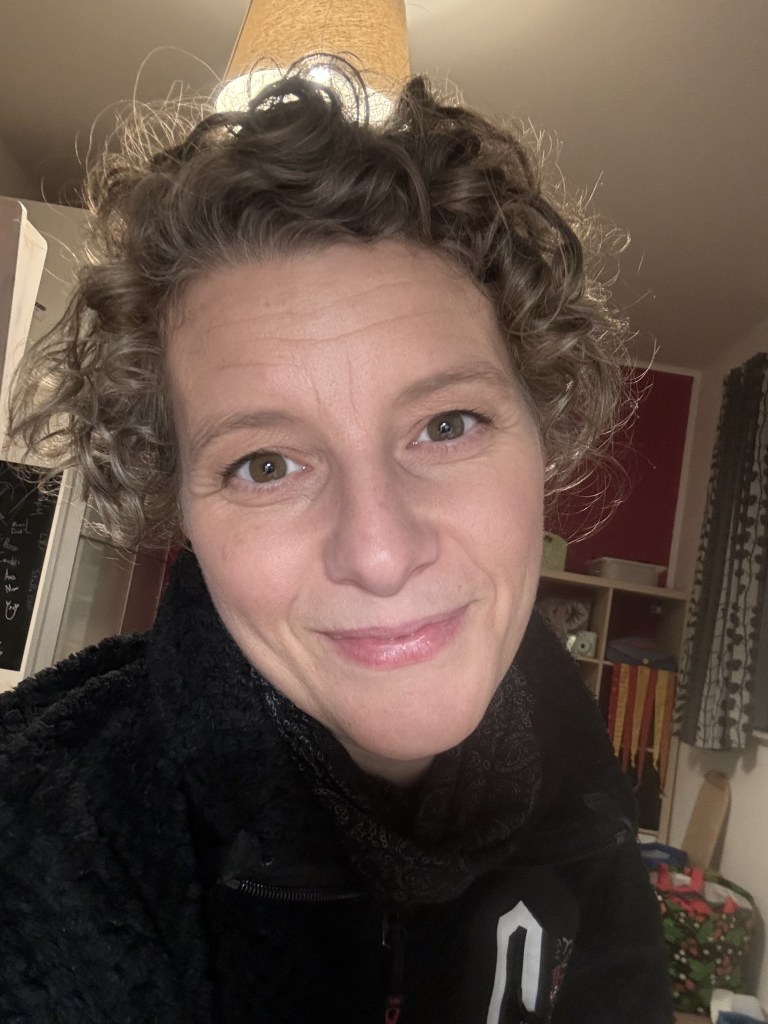
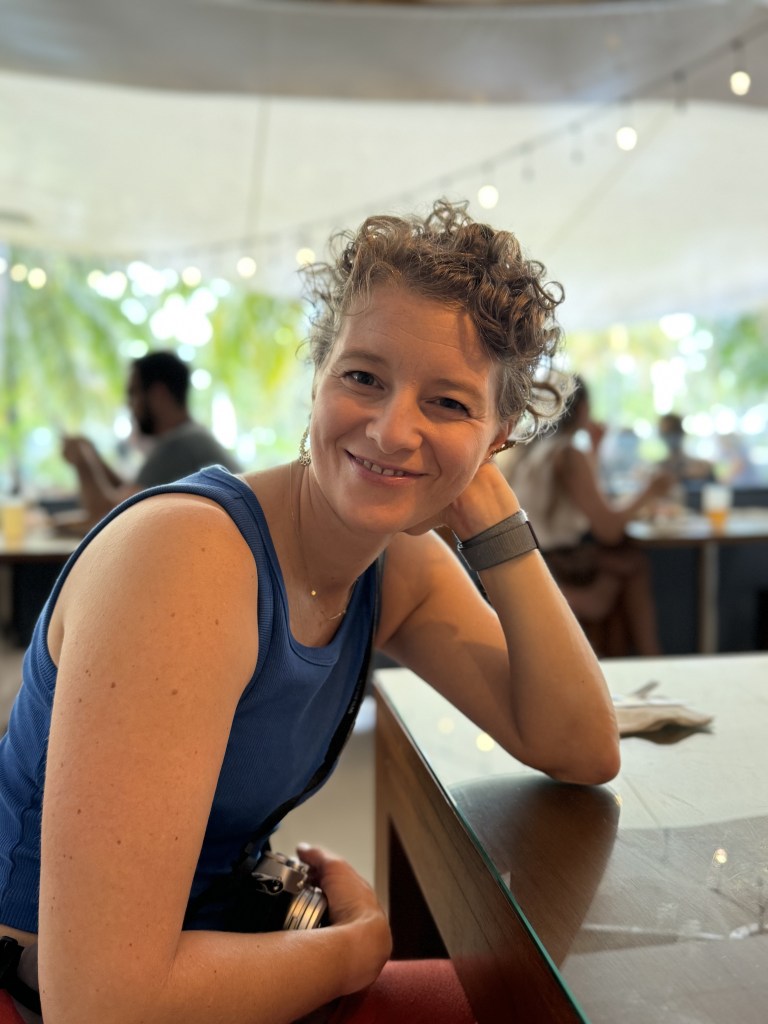
I spent a lot of time grappling with my appearance. My hair grew back in different textures and styles, and every new phase brought discomfort. Questions, like:
‘Should I let it grow?’
‘Should I color it?’
‘Why is it not curly?’
‘How long will it take to get back to my normal hair?’
‘Do I even want my normal hair?’
arose on a daily basis, each time I looked in the mirror. Each new hairstyle phase felt like a stranger I had to get to know. It took time to feel like me again—if there even was a “me” to get back to.


2. My Energy
Fatigue was another hurdle that tested me every day. Post-cancer exhaustion isn’t like being tired after a long day. It’s deeper, heavier, and far more frustrating. I constantly compared myself to who I was beforehand as well as others and found myself falling short. Activities that I thought were simple like spending the day outside with the kids, left me drained. I felt I should be doing more, keeping up, living life the way I imagined it would be after treatment.
What Helped Me Reclaim My Power
Alongside the oncological psychological support I received, I tapped into my mindfulness toolbox. having practiced Mindfulness-Based Stress Reduction (MBSR) and meditation, before, I began to use them more often. These practices helped me slow down, recognize my thoughts and feelings without judgment, and reconnect with myself.
Through regular mindfulness practice, I became better at acknowledging difficult emotions instead of suppressing them. I learned to sit with discomfort, understand it, and gently guide myself back to the present. Meditation gave me the space to breathe, get to know myself again after cancer and understand my feelings.
Another game-changing concept for me was the Circle of Control. It allowed me to separate what was within my control from what wasn’t. This shifted me away from unnecessary frustration and anxiety.
Instead of focusing on everything I couldn’t change, I began to pour my energy into what I could. I started small prioritizing sleep, incorporating gentle movement, and acknowledging my emotions instead of pushing them away.
Once I started focusing on what I could control, my energy shifted. I put my attention toward things that fueled my well-being and let go of what I couldn’t change. Now, when I feel overwhelmed, I take a mindful breath and ask myself: Is this something I can control? If not, how can I respond with kindness and self-compassion?
Recognizing and Addressing My Feelings

Another key part of my healing has been giving myself permission to feel. I spent a lot of time in the past trying to push through. I thought that if I ignored my emotions long enough, they’d disappear. Spoiler alert: they didn’t. 😇
Now, when frustration or sadness shows up, I take a breath and lean into it. I ask myself:
- What am I feeling right now?
- Why am I feeling this way?
- What do I need to do to care for myself in this moment?
Sometimes, the answer is as simple as taking a break or talking to someone I trust. Other times, it’s about allowing myself to cry, journal, or sit quietly with my thoughts.
This goes hand in hand with communicating my needs. Over the years, I have made communicating my needs without guilt or apology a priority. If I’m tired, I say so. If I need help, I ask for it. This hasn’t been easy for me, but it’s made a world of difference. People can’t support us if we don’t tell them how.
The road ahead
Life after cancer isn’t perfect, but it’s real. It’s messy, unpredictable, and filled with ups and downs. The beauty of this chapter lies in learning how to navigate it with grace and self-compassion.
If you’re in this space—feeling lost, frustrated, or unsure of what’s next—know that you’re not alone. It’s okay to struggle. It’s okay to feel tired and different. And it’s okay to take time to figure out what life looks like now.
You are strong. You are growing. And little by little, step by step, you’ll find your way forward—on your own terms.
💬 If this resonates with you, I’d love to hear about your experience in the comments. How have you taken control of your recovery journey?
💜 Want to get more tips or connect with me as a coach? Sign up to my newsletter below 👇🏻
Remember, You Are More Than a Survivor, You Are a Thriver

 Cancer Recovery Coach
Leave a comment